Introduction
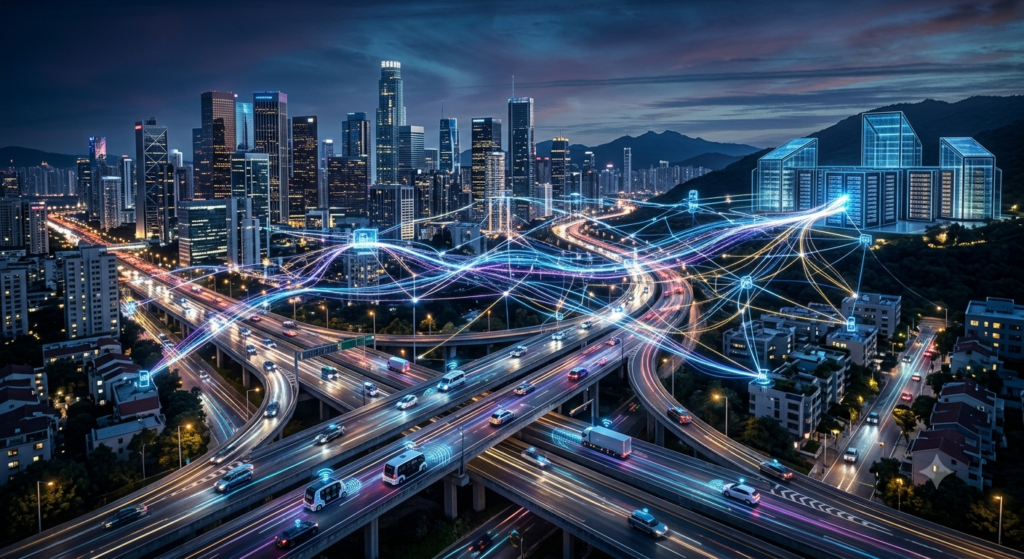
Nowadays the technology is evolving at a very high rate and the amount of data which is being generated is growing faster than ever. Every time we use smartphones, laptops , security camera , other smart devices , wearables gadgets or the vehicles that are connected , it generates very huge amount of data and shared over the internet.
Traditionally this whole generated data is sent to the cloud data centers before it’s results are shared with the users. Although we know that the cloud computing has transformed the way we store the data and manages it , but this process also has some drawbacks that include delays and especially at the time where real time responses are required.
To resolve this issue the edge computing was developed and has become very important computing technology.
In this article we are going to explore what Edge Computing is, how it works, its benefits, real-world applications, challenges, and why experts believe that it is going to play a major role in the future of technology.
What Is Edge Computing?
Edge Computing is an approach of the modern computing system where data is processed closer to the devices from which the data is generated. unlike the the traditional computing which send the data into a centralised cloud storage.
You guys may be wondering what is edging actually means in computing, Edge refers to the network’s edge where all the devices are located such as smartphones, sensors, cameras, machines of industrial and the internet of things (IOT).
Rather than sending the every piece of information to the cloud data centers situated far away edge computing allows the devices or the local server to process the data first as it will help in reducing the time of receiving the results of data to the users thus making the application more convenient and faster than before.
Imagine, you are in a self driving car and the car detects some obstacle and send that information to the cloud storage that are located hundreds of kilometers away , waiting for the data center to process whole information and then provide results so these delays can be very dangerous.
Why Is Edge Computing Becoming So Important?
we know that the number of devices connected to the internet is increasing every year. Around billions of the devices produce a massive amount of data , the devices can include:
- Smartphones
- Smart devices home
- Wearable trackers of fitness
- Security cameras
- Self-driving vehicles
- Machines of Industrial
- Internet of Things (IoT) devices
By sending al these information to a cloud storage can cause increase in the network traffic and can very much slow down the real time responses.
Edge computing can help in solving this problem by processing the data much closer to the users.
these are the major reason why the edge computing is growing :
- Faster processing data
- Minimum latency
- Improvement in security
- Increased reliability
- Real-time decision making of problems
- Reduced dependence on the cloud data centers
- Improved performance for connected devices
Edge Computing vs Cloud Computing
Many people often gets confused between the edge computing and the cloud computing as both work on the same technologies,
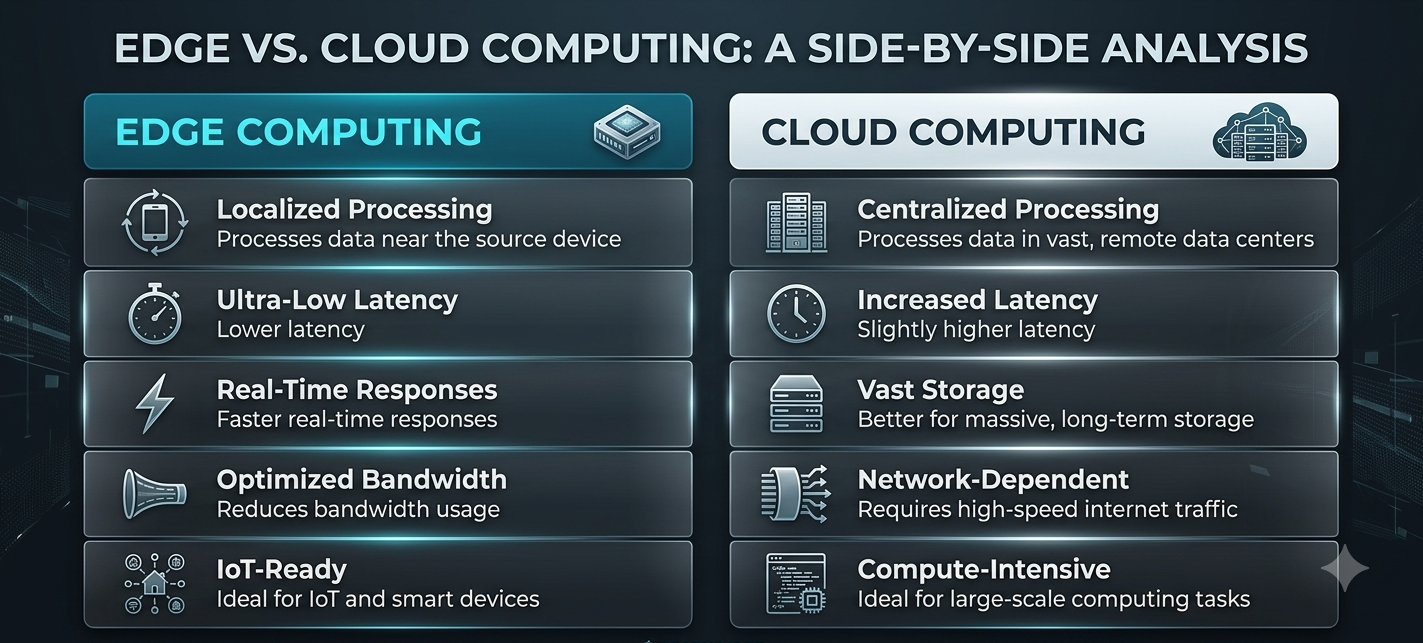
Edge computing complements the cloud computing instead of replacing it completely, Many system uses both the technologies together that helps in achieving the performance and the efficiency at the same time.
Major Benefits of Edge Computing
Edge computing offers many benefits for the industries, businesses and the everyday users.
1.Faster Response Time
Since the information is being processed closer to the device , it enables faster receiving of the results than ever before, this is especially important for:
- Self-driving cars
- Smart factories
- Online gaming
- Video surveillance
- Healthcare systems
2.Reduced Latency
The biggest advantages of the edge computing is the low latency.
Edge computing help is operating the data more efficiently for the applications which require immediate responses because the data is no longer needs to travel for a long distance before being processed.
3.Lower Bandwidth Usage
Edge computing helps in processing most of the information locally , instead of sending it to the cloud data centers in large amount of data files.
This whole process help in the reduction of the traffic and helping the organisation to save bandwidth.
4.Improved Reliability
Many edge devices can continue the processing of the important task locally, even if the network speed becomes slow or temporarily unavailable.
this makes it highly useful for the organisations and industrial units where continuous operations is a must.
5. Better Security and Privacy
Since the sensitive information of yours is processed locally before being transmitted , Edge computing reduce the amount of confidential information sent across the various networks.
This enables the improvement in the data privacy and minimizing the risks of the cyberattacks of your confidential data.
Real-World Applications of Edge Computing
Edging is transforming the way the large industries processes and uses the data by making the processing closer to the user source, it even helps in making the decision making throughout the processes and improves the modern technologies performance.
These are the some application of the real world:
1.Smart Cities
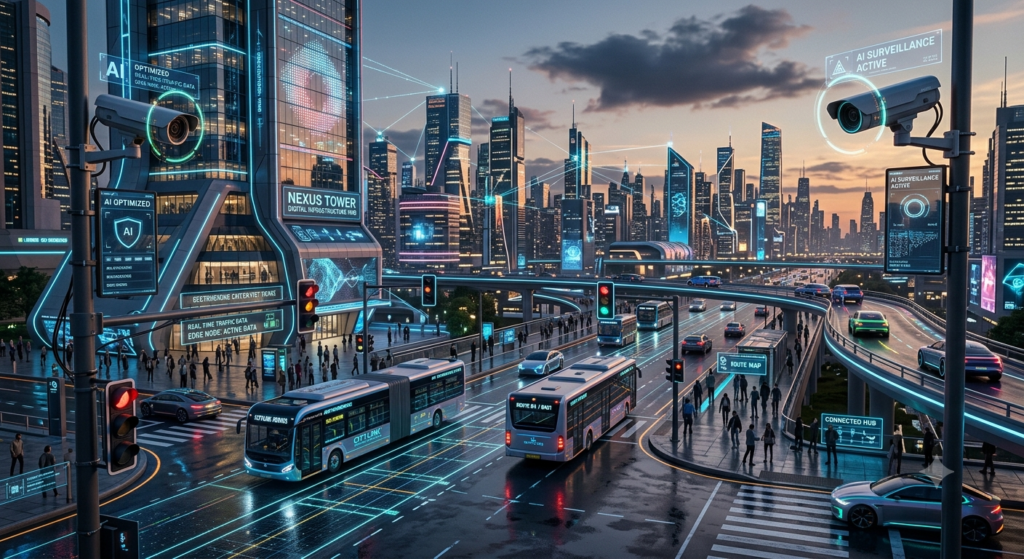
Cities that are modern are becoming smarter day by day by using the internet of things(IoT) devices to improve the management of the traffic, safety of people, consumption of the energy and the other important things that need to be taken care off.
Some examples include:
- Smarter lights traffic
- Smart public parking systems
- Surveillance cameras of public
- Monitoring Environmental
- Waste management systems
2.Healthcare
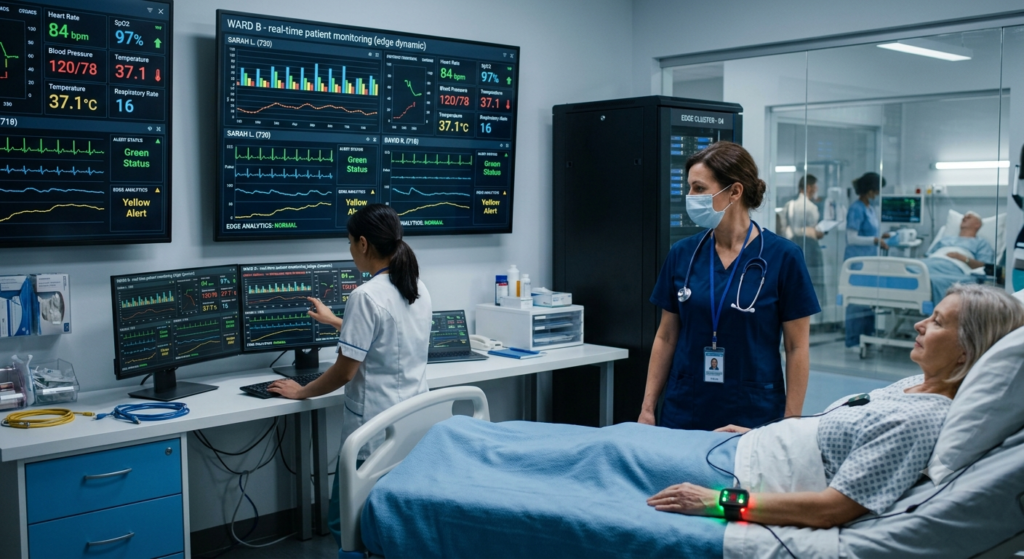
The industry that will be most beneficial from the Edge computing is the healthcare industry as in healthcare there are many situations of medical require immediate responces.
Now they don’t need to wait for the cloud servers to process information of the patient, they can just process their information locally closer to the data.
Applications include:
- Improved monitoring of patient
- health Wearable devices
- Smarter hospitals than ever before
- Emergency healthcare systems
- Remote care patient
3.Manufacturing
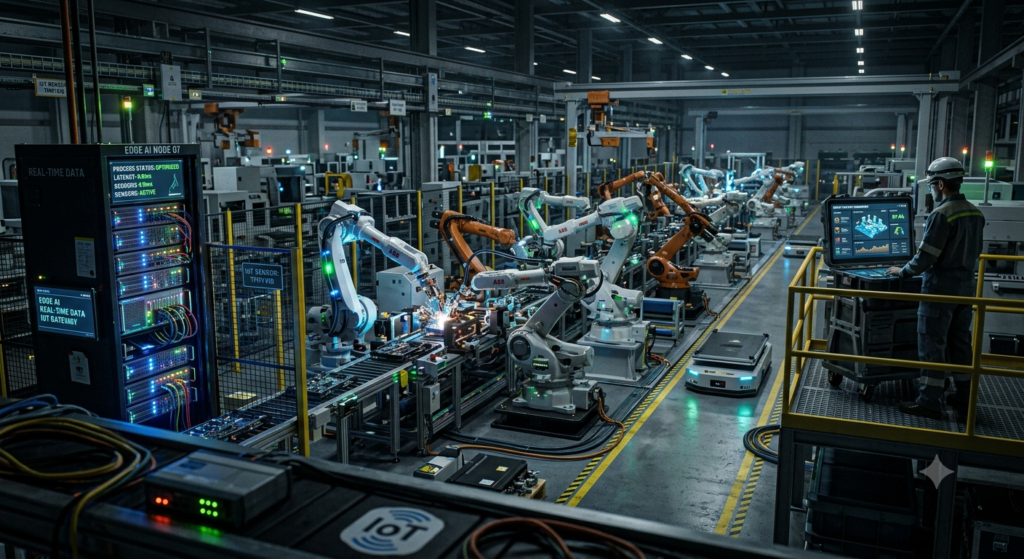
In modern manufacturing industries they generates data in a huge amount daily because they uses thousands of sensors and the machines that creates the data every second.
Edge computing can help in making these processes faster than ever that helps in the improvement of the production efficiency and reduce the failure of the equipments.
Applications can include:
- Automation in Industrial processes
- Enhanced machine monitoring
- Predictive maintenance
- Quality control measures
- Robotics
Frequently Asked Questions (FAQ)
What is Edge Computing?
Edge Computing is an approach of the modern computing system in the data that is processed closer to the devices from which the data is generated. unlike the the traditional computing which send the data into a centralised cloud storage.
What is the difference between Edge Computing and Cloud Computing?
Edge computing process the data near the data source while cloud computing process the data in the data centers that are located thousands of kilometers away from the data source, Edge computing is beneficial for real time processing of the data while the cloud computing is best for using the storage of the large scale data in the data centers.
Is Edge Computing replacing Cloud Computing?
No. Edge computing complements the cloud computing instead of replacing it completely, Many of the system uses both the technologies together that helps in achieving the performance and the efficiency at the same time.
🔗 Article Suggestions
If you’re interested in exploring other breakthrough technologies, read our article Top 10 Technologies That Will Change the World by 2030.
Since Artificial Intelligence (AI) works closely with Edge Computing, you may also enjoy Top 10 Free AI Tools That Can Save You Hours Every Week in 2026.
If you’re choosing the right AI assistant for work or study, check out ChatGPT vs Google Gemini: Which AI Assistant Is Better in 2026?
To learn how cloud infrastructure supports modern applications, read What Is Cloud Computing? Types, Benefits & Real-World Uses.
If you’re curious about next-generation wireless networking, don’t miss What Is Wi-Fi 7? Features, Speed, Benefits & Everything You Need to Know.
To understand how future mobile networks will complement Edge Computing, explore How 6G Technology Will Change the Internet Forever.